Why We Wear Jewellery
Long before humans invented agriculture, built permanent cities, or recorded history with words, we decorated our bodies.
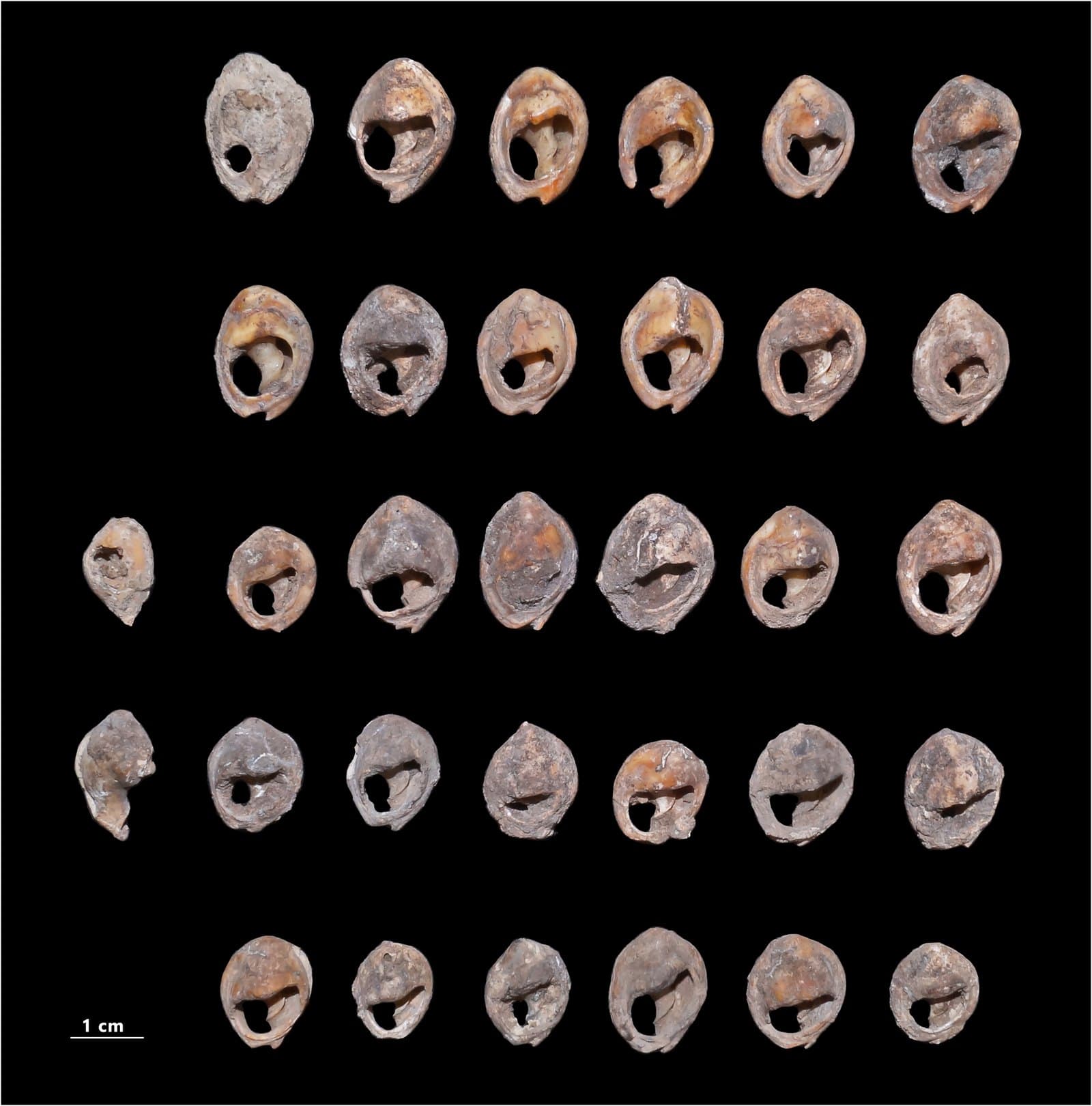
Across almost every continent, culture, and era, people have chosen to decorate their bodies. In Bizmoune Cave near Essaouira, Morocco, archaeologists uncovered small marine snail shells (Tritia gibbosula) deliberately pierced with stone points so they could be strung and worn. They date back between 140,000 and 150,000 years.
To put that into perspective: our ancestors were creating jewellery tens of thousands of years before the advent of agriculture, permanent architecture, or the written word.
The Genesis: When Survival Gave Way to Meaning
From an evolutionary standpoint, early jewellery makes very little practical sense. A necklace of pierced shells or carved mammoth ivory does not keep you warm, catch game, or carry water. Drilling tiny holes into fragile shells with stone hand-tools took hours of slow, patient work.
Yet early humans all over the world spent their energy doing it anyway.
Anthropologists see this moment as the birth of symbolic thought, the point where Homo sapiens began interacting not just with the physical world, but with abstract ideas. Through personal ornament, humans gave physical form to their inner lives. Jewellery became our earliest visual language: an unspoken signal that shared clan lineage, age, status, and mutual trust long before spoken language could cross between different groups.
The Evolution: From Talisman to Imperial Power
As nomadic tribes settled into the first great river valleys in Sumer, Egypt, the Indus Valley, and Mesoamerica, the stories jewellery told became far more layered.
During this era, adornment moved along two distinct paths:
- The Talisman and the Cosmos: Materials had spiritual weight. In ancient Mesopotamia and dynastic Egypt, lapis lazuli reflected the night sky and divine truth; gold, which never tarnished, stood for the eternal sun. Worn close to the skin, they acted as tactile armour, calling on protection, warding off misfortune, and ensuring safe passage into the afterlife.
- The Architecture of Class: In classical antiquity and Renaissance Europe, sumptuary laws strictly dictated who was allowed to wear certain gems and noble metals. Signet rings stamped legal decrees; heavy gold collars showed royal favour. Adornment became an open map of authority, memory, and social rank.
The French Revolution of Haute Joaillerie
By the late 18th and 19th centuries, the story of adornment shifted dramatically in France. Paris turned jewellery from an emblem of royal decree into an independent discipline of architectural fine art.
The movement began around the historic arcades of Paris and found its home at Place Vendôme:
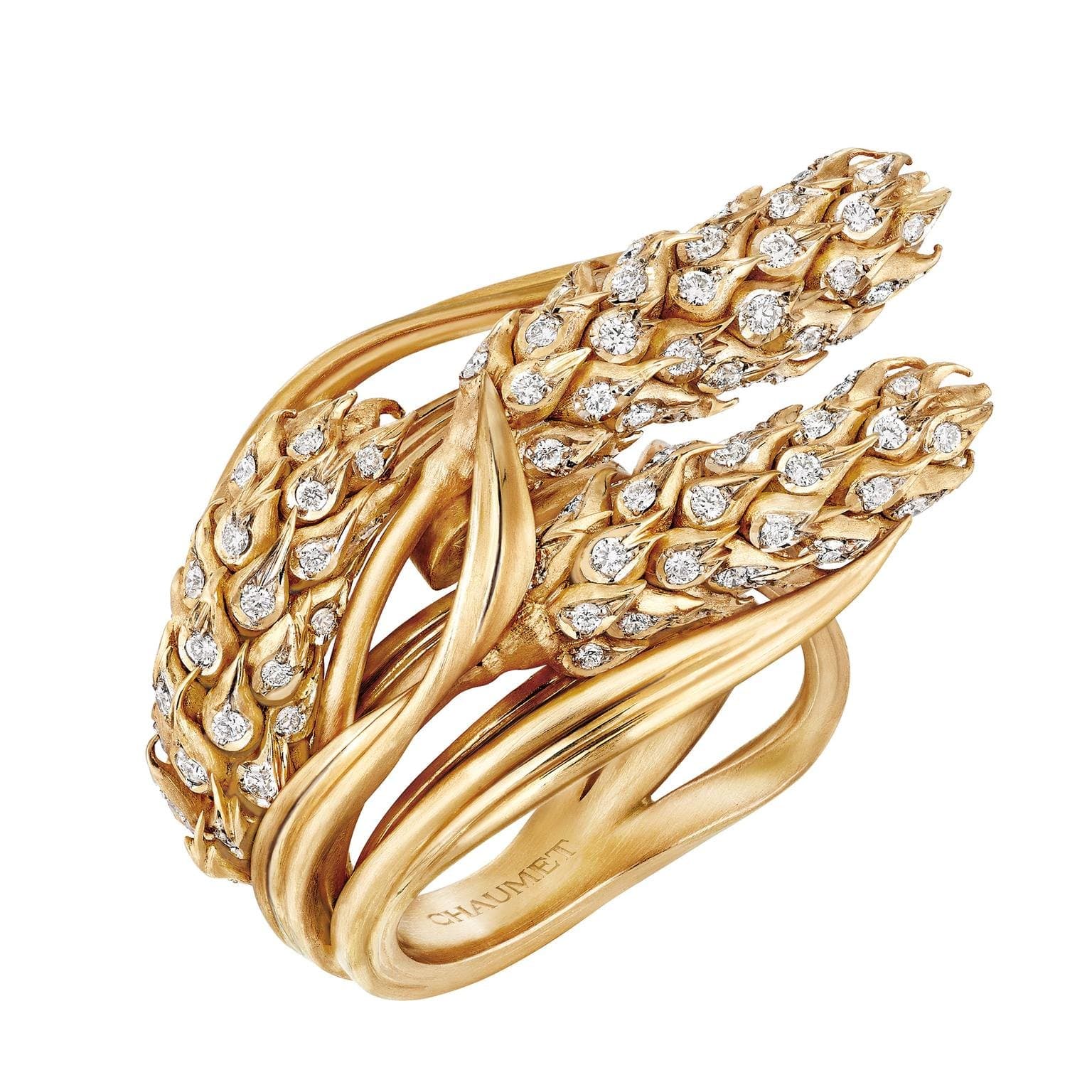
- The Imperial Goldsmiths: In 1780, Marie-Étienne Nitot founded the workshop that would become Chaumet, serving as official jeweller to Napoleon Bonaparte and Empress Joséphine. Jewellery moved away from rigid court regalia toward romantic, nature-inspired diadems, wheat-sheaf motifs, and architectural tiaras built around intimate stories and emotion.
- The Pioneers of the Square: In 1893, Frédéric Boucheron became the first high jeweller to open a boutique directly on Place Vendôme. He chose the light-filled corner of No. 26 so the sun would highlight the craft in his windows. Boucheron pioneered fluid metalwork that moved like haute couture fabrics, such as pleats, ribbons, and woven lace captured in solid gold.
- The Platinum & Art Deco Breakthroughs: On nearby Rue de la Paix, Cartier (founded in 1847 by Louis-François Cartier) transformed the craft by pioneering platinum settings. Platinum’s strength allowed artisans to build virtually invisible, lace-like mounts. By the 1920s, French ateliers led the shift into Art Deco, replacing fussy Victorian decoration with crisp geometry, bold contrast, and streamlined silhouettes.
“Jewellery is humanity’s oldest language. It is an unspoken way of saying: This is who I am, this is where I belong, and this is what matters.”
What Jewellery Means Today: The Architecture of Identity
Today, royal decrees and sumptuary laws are long gone, yet the reason we wear jewellery remains the same as it was for the shell-makers of Bizmoune.
Most clothing today is practical, chosen for weather, dress codes, or utility. Jewellery is purely intentional. It is our most personal art form. Unlike a painting on a wall or a sculpture on a stand, jewellery only comes alive when worn: warming to your body, catching ambient light, and moving with you throughout the day.
- Silent Intent: A simple band on the left hand speaks of commitment before a word is spoken.
- Tethered Memory: An heirloom passed down through generations carries memories across decades.
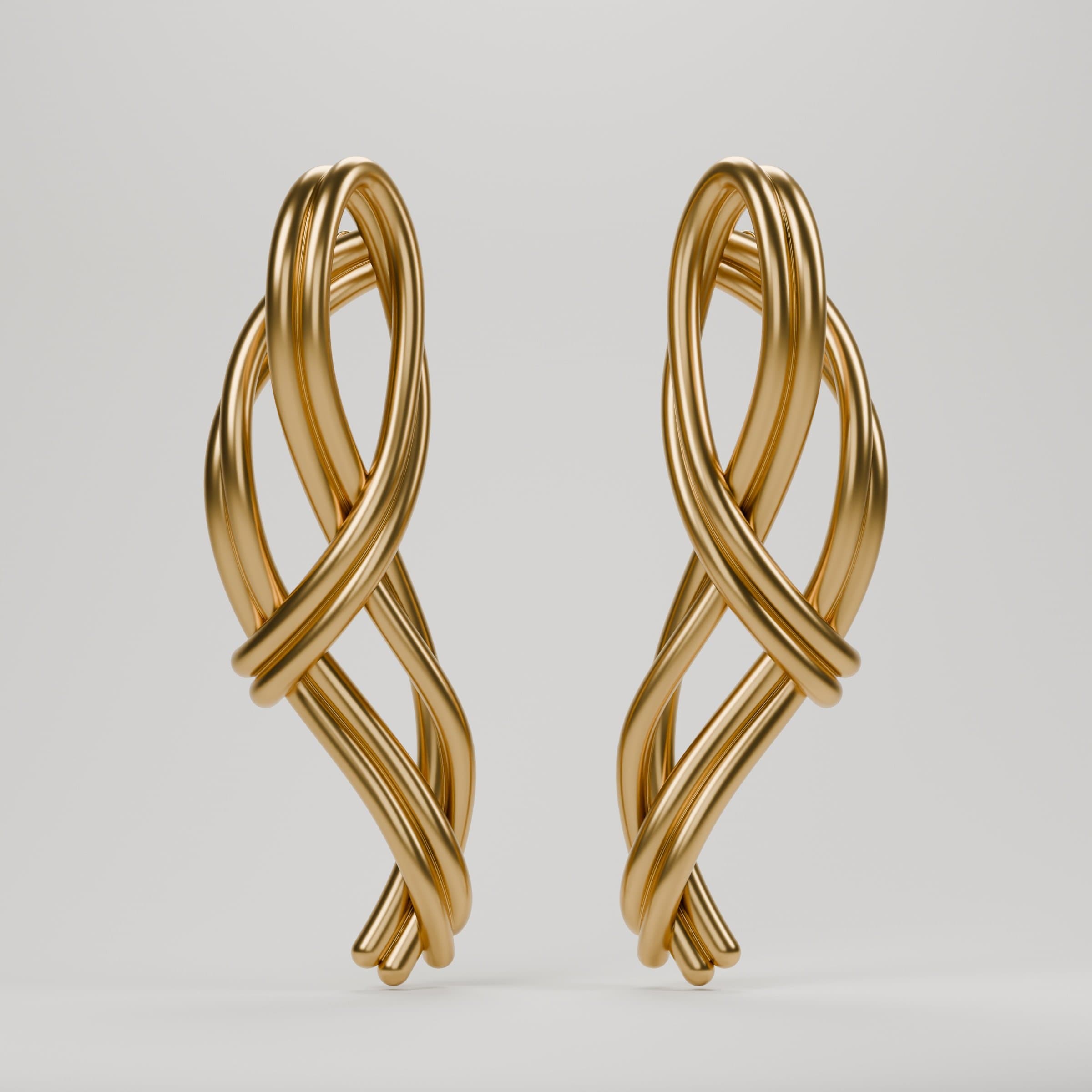
- Personal Armour: A pair of fluid, sculptural earrings chosen each morning acts as a daily anchor, creating a quiet uniform of self-assurance.
Where It Goes Next: The Future of Adornment
As our everyday lives become more digital and screen-focused, the future of jewellery is not heading toward tech gadgets or fast trends. Instead, it is returning to permanence, presence, and intentional form:
- Sculpture as Daily Armour: Wearers are turning to clean, architectural lines. Jewellery is becoming personal sculpture, featuring fluid forms that play with negative space, made not for occasional galas, but to live comfortably in daily motion.
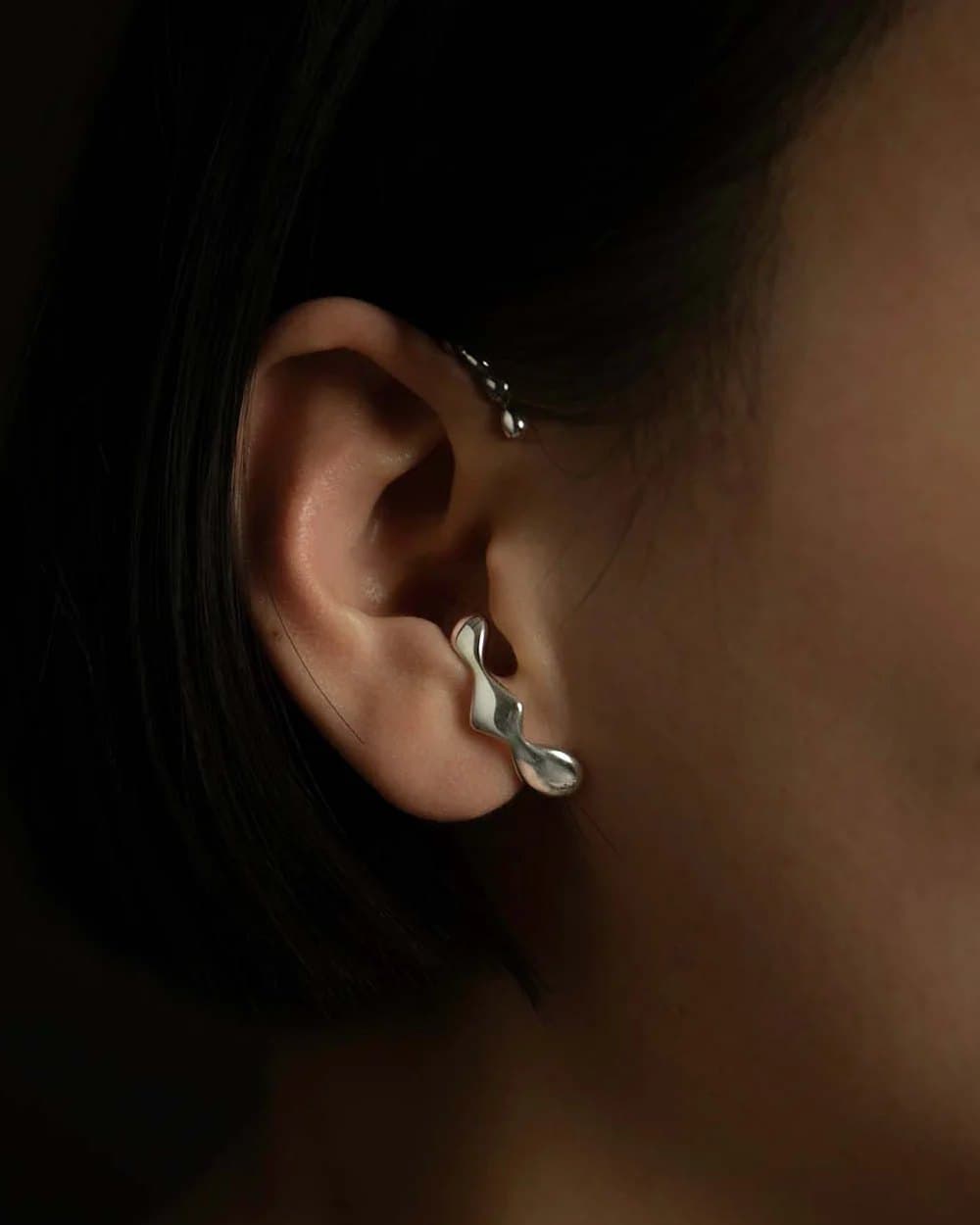
- Radical Longevity & Metallurgical Integrity: The focus is shifting away from throwaway accessories and back to real substance. Modern design relies on precious foundations such as solid sterling silver, ethical gold vermeil, and protective finishes engineered to wear for years without losing their character.
- A Return to Personal Mythology: In a world filled with digital noise, tangible objects matter more. The future belongs to pieces with quiet presence, objects that do not shout for attention, but quietly remind us who we are, where we belong, and what we value.
References & Design Houses
- Boucheron: Discover archival High Jewellery innovations and the historic Place Vendôme atelier at boucheron.com.
- Mara Paris: Explore architectural jewellery and wearable modern sculpture by Ayça Özbank Taşkan at mara.paris.